Waste diverted from landfill
254.95 m³ kept out of landfill in a single quarter.
Q2 2025 · Closed Loop audit Australian Racing Drivers' Club
 SMSP
SMSP
The Australian Racing Drivers’ Club is a not-for-profit that has operated Sydney Motorsport Park since 1996. Every sustainability number on this page is audited, dated and published — including the year they went backwards.
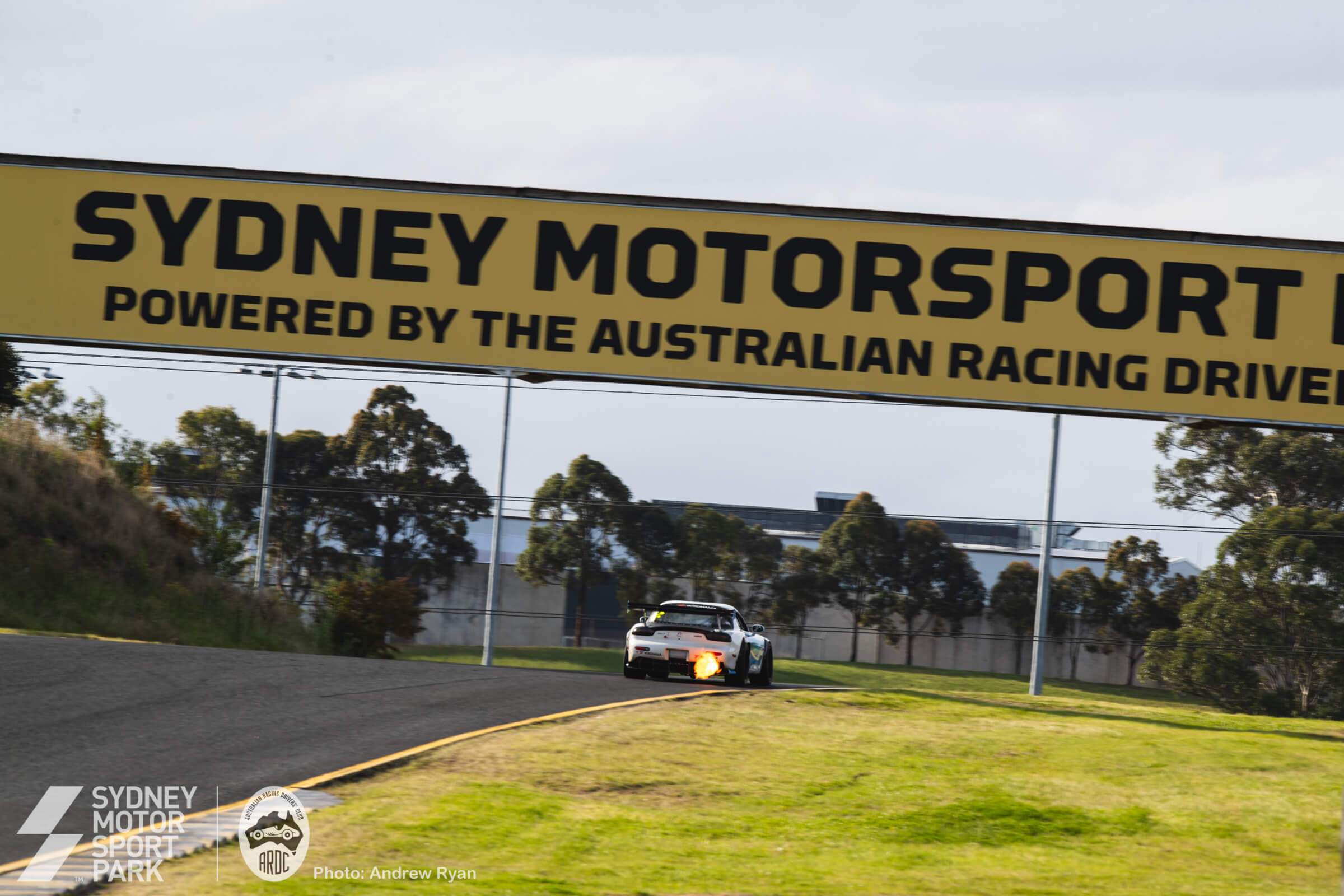
Eastern Creek · the fence line behind the gantry — 300+ native trees planted since 2016
We know how that sounds. A motorsport venue talking about the environment invites a raised eyebrow, and it should. So we do not ask to be believed — we publish the audits, name the partners, and show the quarters where the numbers moved the wrong way.
Sustainability in Motorsport is definitely an enduro — not a sprint. It is also a race with no chequered flag, as there is always more that can be done.
The ARDC Commitment to SustainabilityAustralian Racing Drivers’ Club
The ARDC is a for-purpose, not-for-profit club. Every dollar goes back into the track. Over the past decade the Club, the NSW Government and our partners have invested more than $52.5 million in this venue — over 40% of it from the ARDC itself — and the Club continues to reinvest more than $1 million a year.
Three pillars · the framework the Club reports against
The ARDC Commitment to Sustainability PDF · the Club’s published positionSustainability at Sydney Motorsport Park is assessed quarterly by our waste partner and annually by two independent bodies — the Fédération Internationale de l’Automobile and the Sustainable Circuits Index. These are the numbers those assessments are built on.
Latest published data · Q2 2025 waste audit254.95 m³ kept out of landfill in a single quarter.
Q2 2025 · Closed Loop auditEvery piece of waste on this site is sorted by hand, by people, one quarter at a time.
Q2 2025 · Closed LoopGeneral, co‑mingled, paper, cups, containers, organics, foam, metal and oil.
2024 onward · SMSP resource recoveryRaising over $10,000, returned straight back into sorting hours.
Year to date 2025 · Container Deposit SchemeChosen for low fall rates and evergreen canopies, all native to the area.
Since 2016 · ongoingTurned into nutrient‑rich fertiliser for commercial use rather than landfill.
Q2 2025 · Closed LoopIn 2023–24 the rate fell to 63%. The Club published the reason: under‑estimated crowds left the site under‑resourced to sort, third parties dumped waste on the precinct, and sorting staff were hard to retain. Dedicated sorting hours were increased in response.
Our work spans energy, water, waste, carbon, biodiversity, community and innovation. Some of these are years old and fully audited. One of them is honest about how far it still has to go. Open any panel to see where it actually stands.
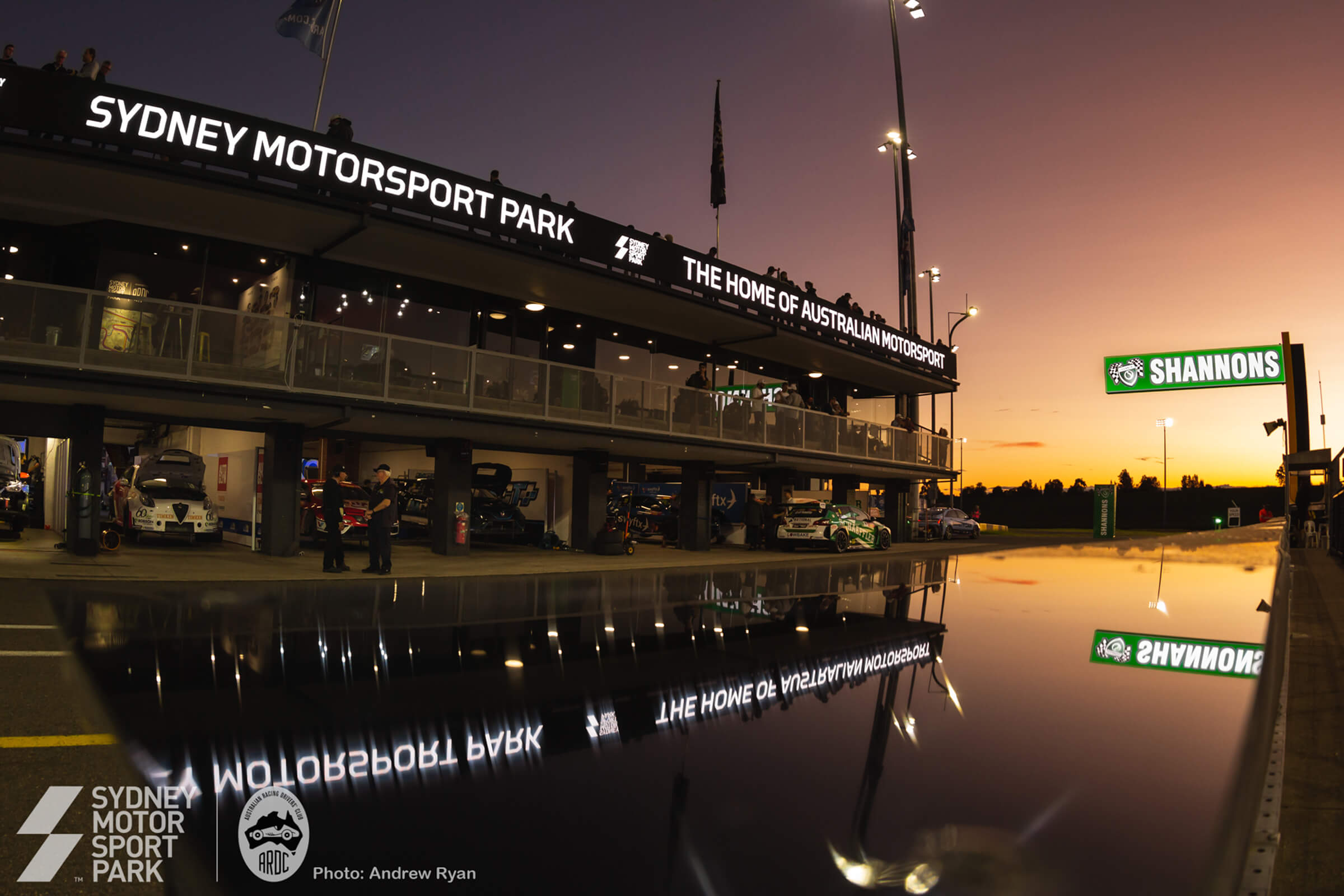
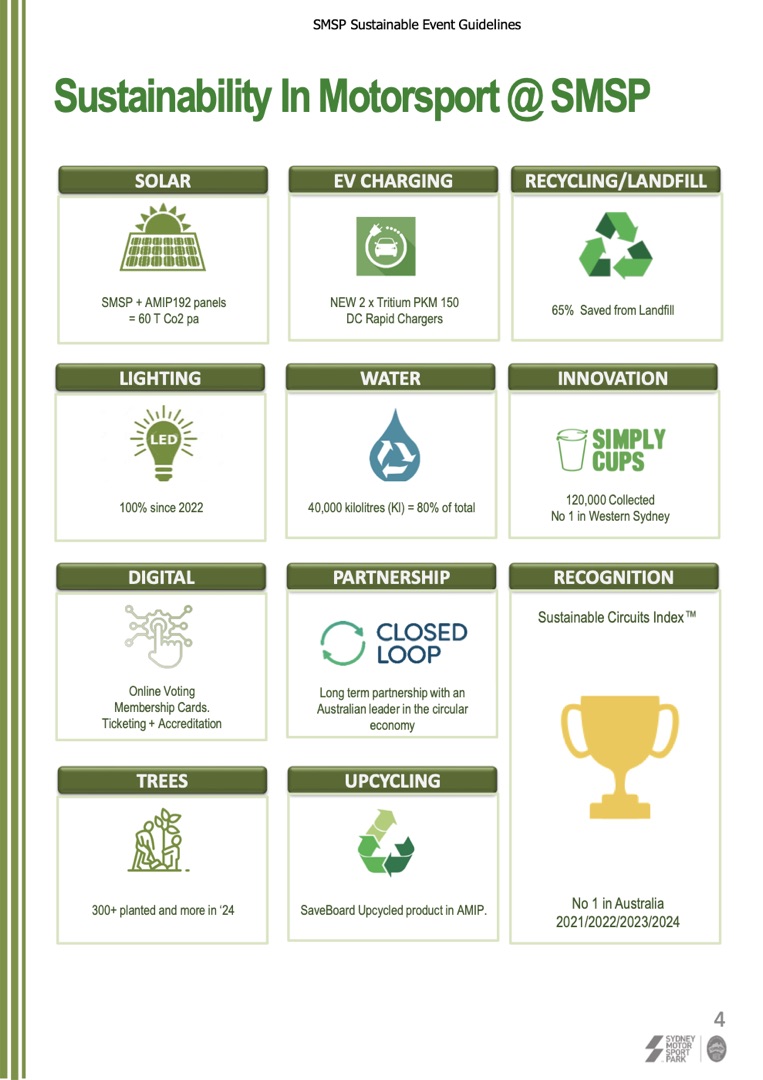
Solar on the Druitt North service blocks since 2016, when almost no Australian circuit had any. Across the circuit and the innovation precinct the array now runs to 192 panels, which the Club puts at 60 tonnes of CO₂ avoided a year. And the country’s first race circuit with dedicated EV rapid charging.
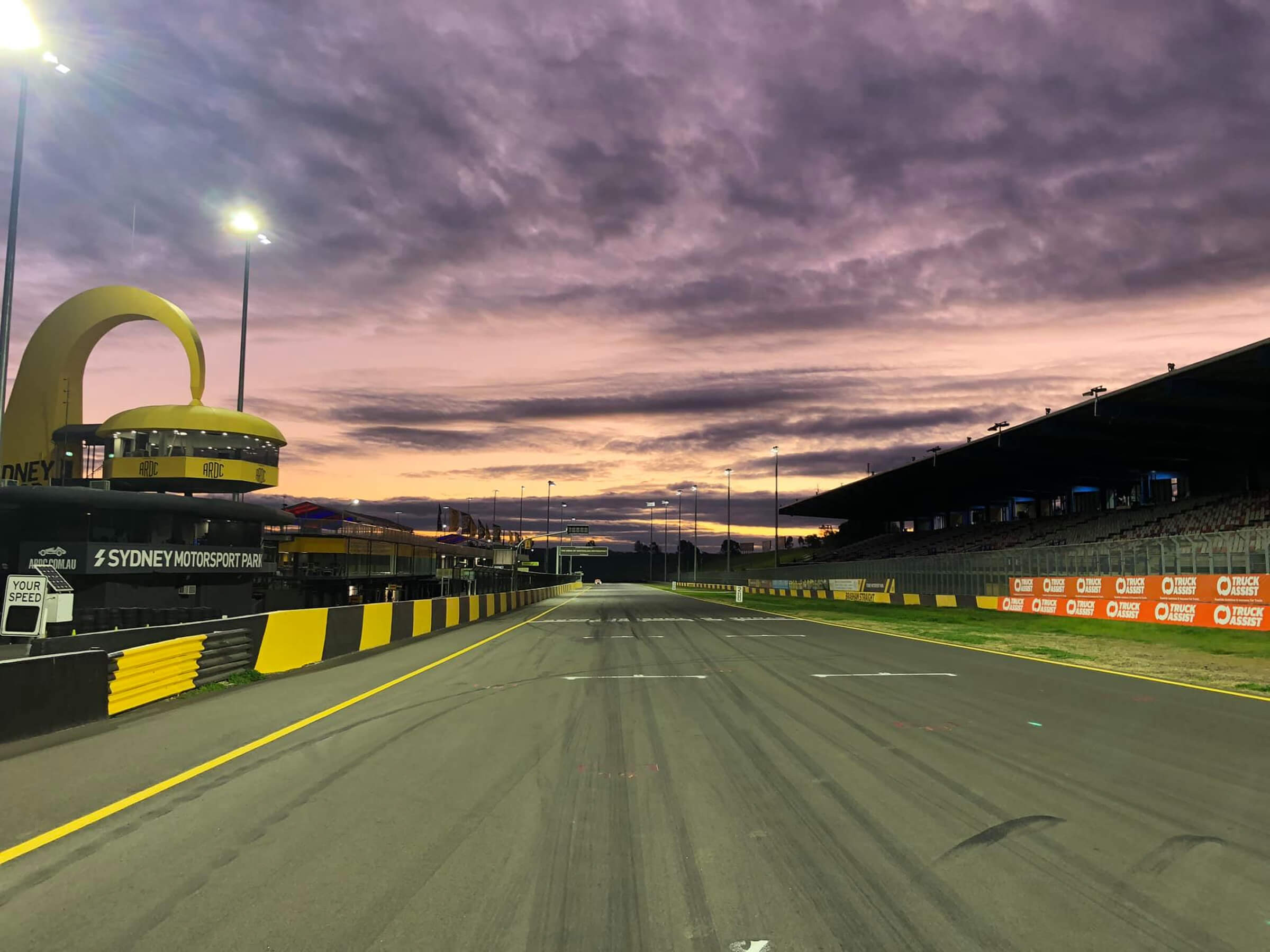
Water sits inside our monitoring program alongside energy, noise and air emissions across the venue. The Club’s event guide publishes 40,000 kilolitres at 80% of total. What is not published is a verified year‑on‑year reduction — and we would rather say that plainly than put a number on this page we cannot stand behind.
Our strongest program and our most scrutinised. Nine streams, separated by hand on site, audited quarterly by our partner Closed Loop. Paper cups leave here as road surface — including the road into our own innovation precinct.
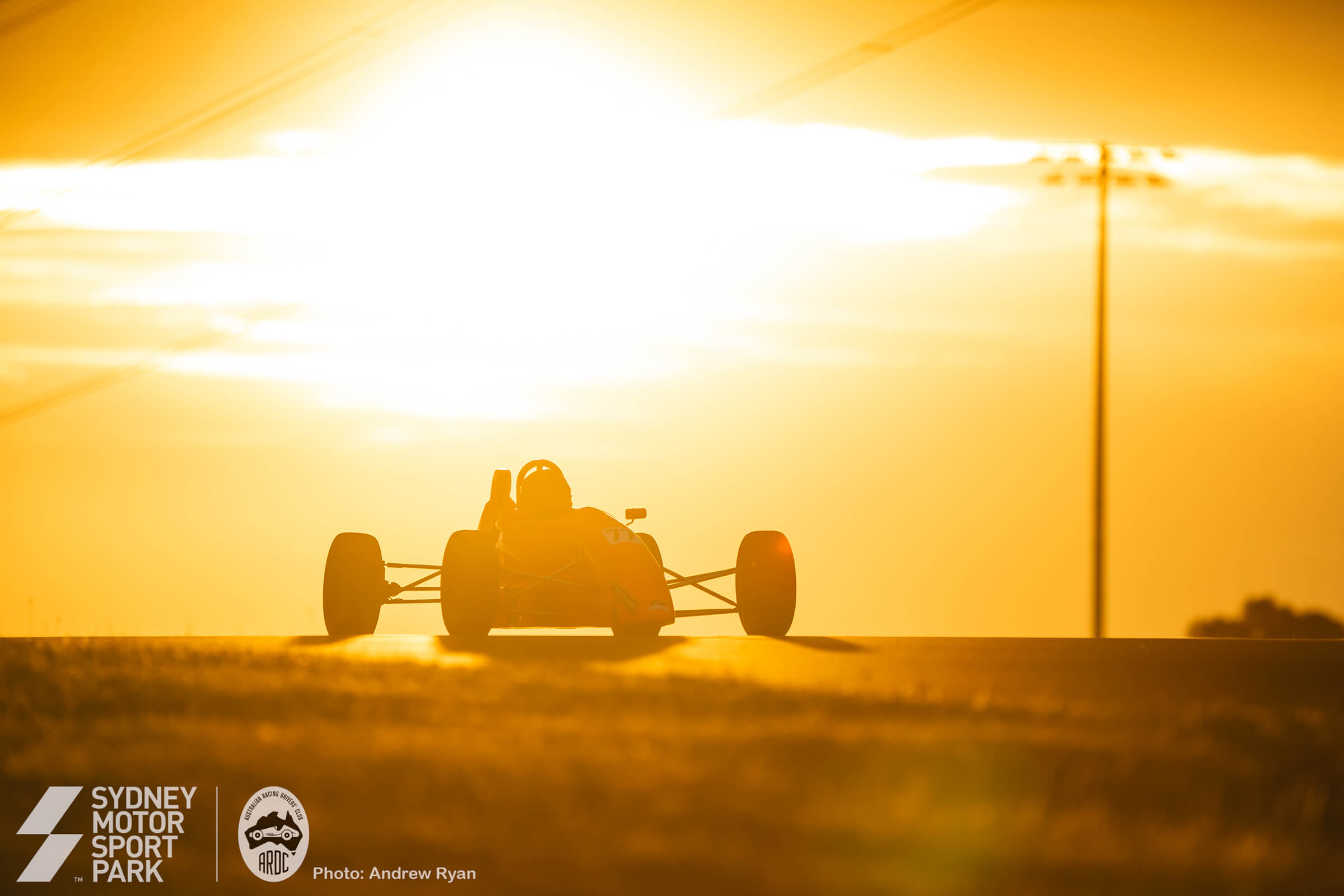
Carbon here is not a separate program with its own offset budget — it is the sum of the others. The solar array, the LED conversion, the native planting and the print the Club stopped producing are the reductions on the record. What is not on the record is a baseline year, an inventory or a net‑zero date, and the Club has not published one.
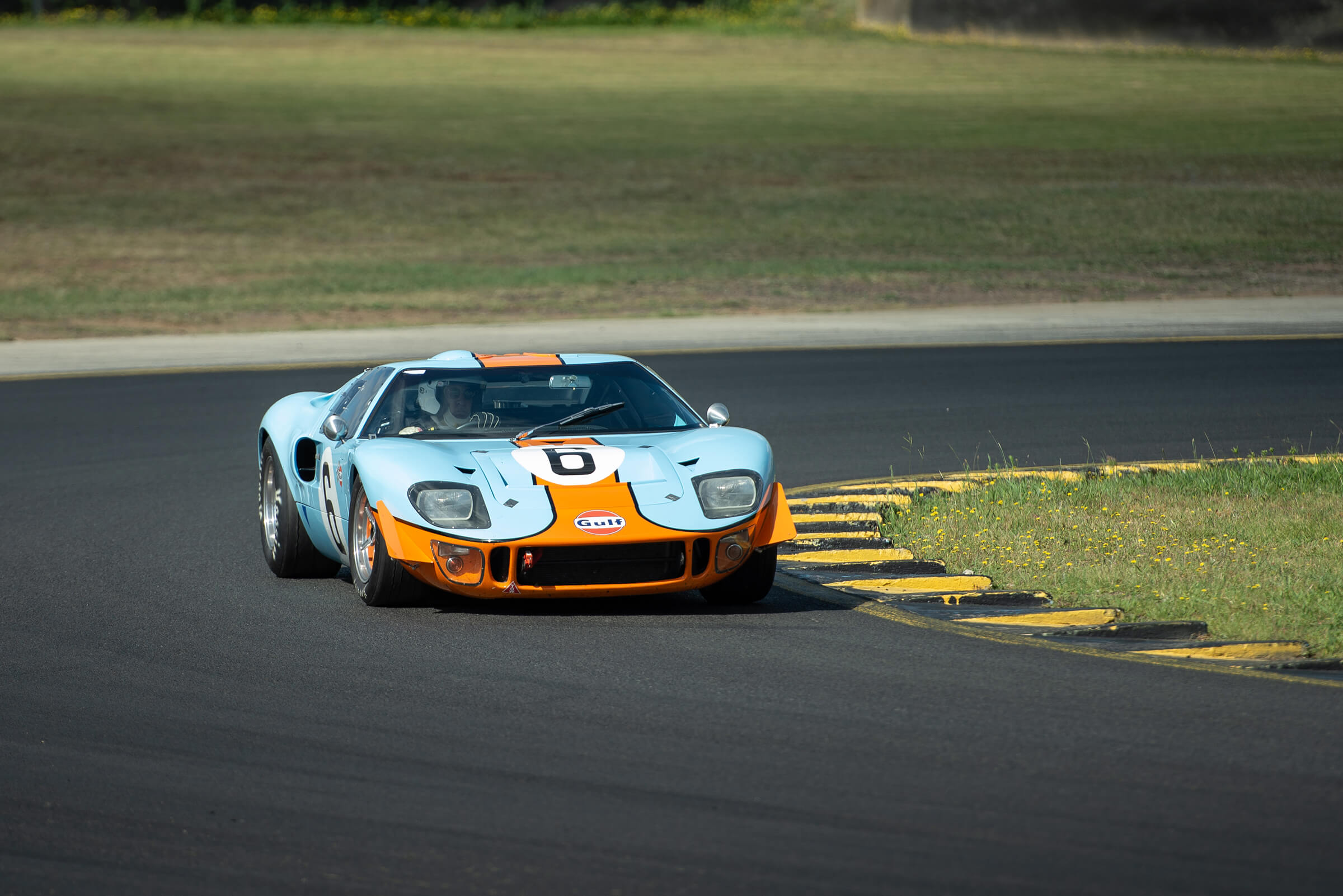
Since 2016 the Club has planted more than 300 young and semi‑mature trees around the venue — every one native to the area, selected for low fall rates and evergreen, leafy canopies that soften the site, throw shade and hold carbon.
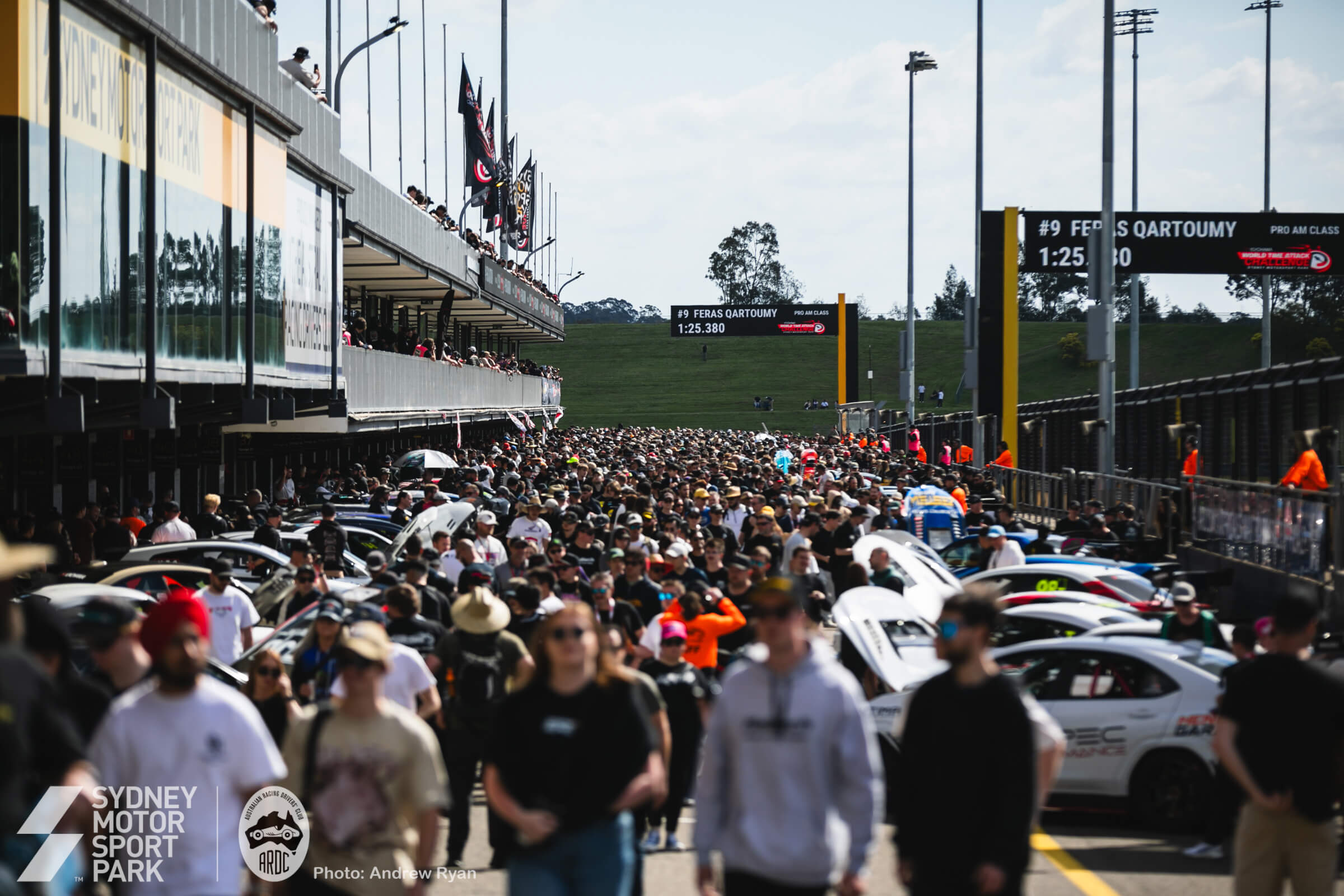
We measure our community work in donated track time. NIGHTDRIVE has put more than 5,000 learner drivers on this circuit after dark, in safety, since 2016. University Formula SAE and World Solar Challenge teams test here. Local schools run their cross country on it.
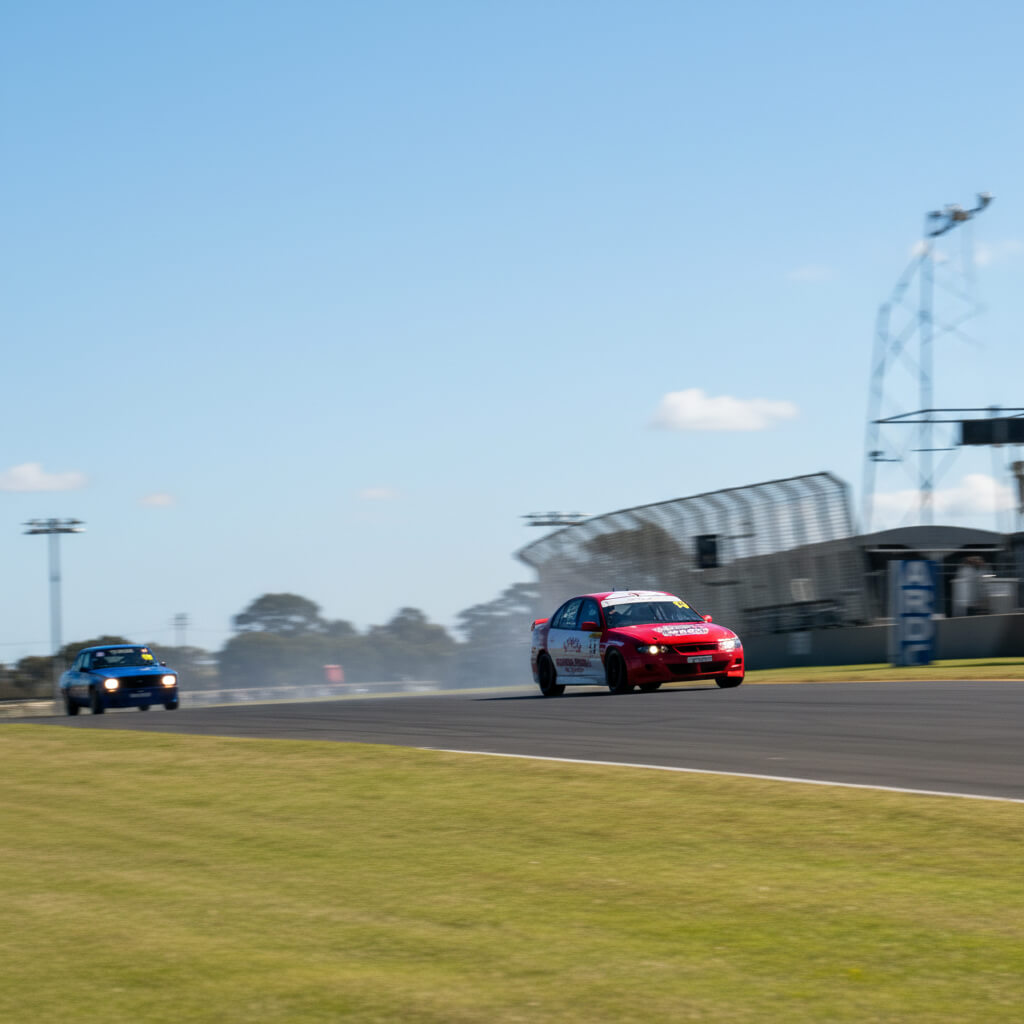
The Australian Motorsport Innovation Precinct sits trackside — a cluster for engineering, mobility research and new power sources including solar, electric and hydrogen. In 2024 we hosted Australia’s first Sustainability in Motorsport Roundtable here.
Every bin on this site is emptied onto a sorting floor and separated by hand into nine streams. Each one leaves as something else. Choose a stream to follow it.
SMSP resource recovery bays 01–09 separated by hand 270.74 sorting hours · Q2 2025
Collected through Simply Cups and processed into PAK‑PAVE™ road surface. The new roads to and from our own innovation precinct are built from it.
Three moments that were judged by somebody other than us.
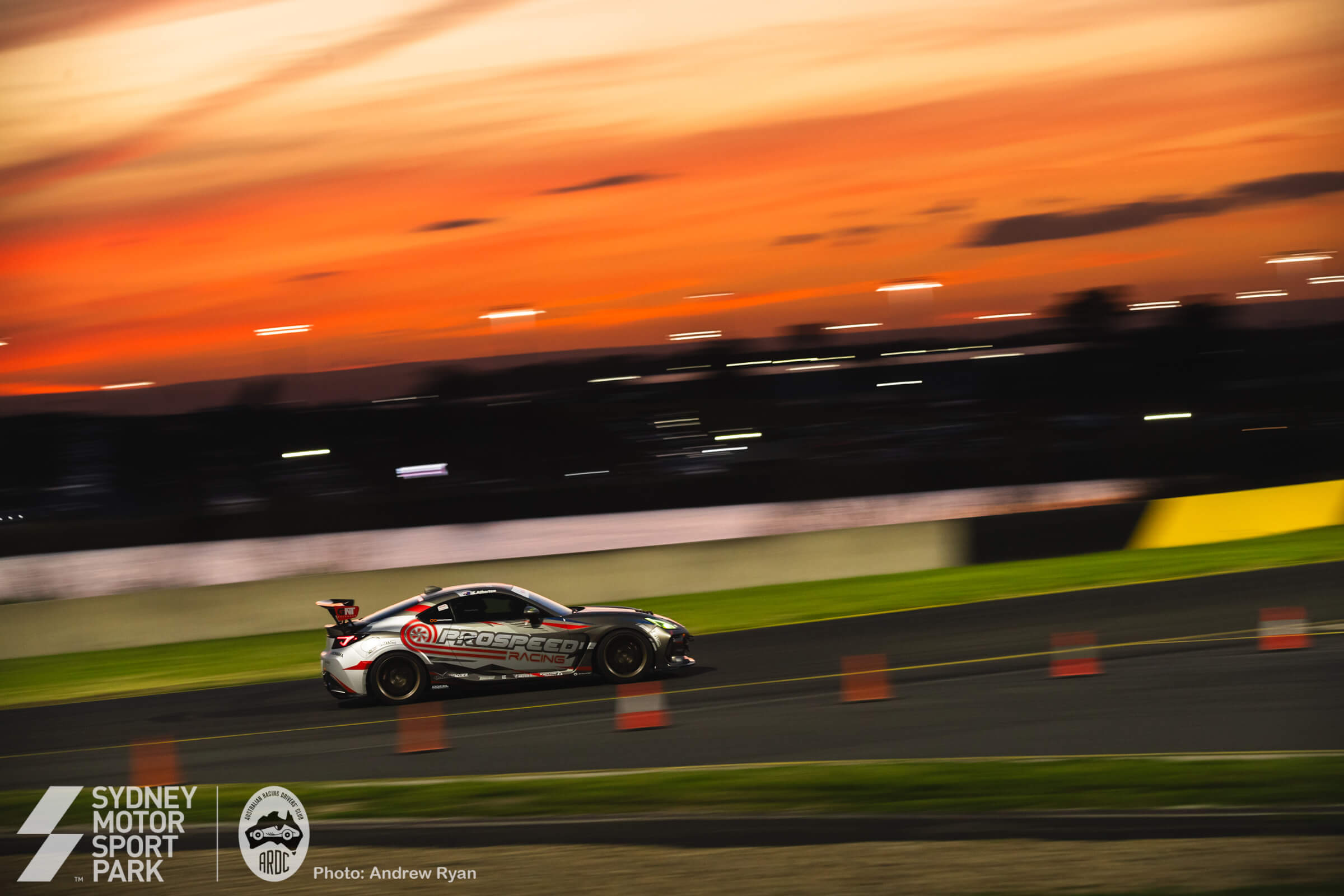 Oct 2024 · Accreditation
Sydney Motorsport Park received Australia’s first and only sustainability accreditation from the Fédération Internationale de l’Automobile, joining an elite group of world venues including Silverstone, Monza, Imola and Mugello — and advancing directly to a two‑star rating out of three.
Continue readingSustainability in motorsport is so much more than repurposing consumables like tyres. It’s about instilling a culture of constant improvement.
Tan NguyenSustainability Manager, ARDC
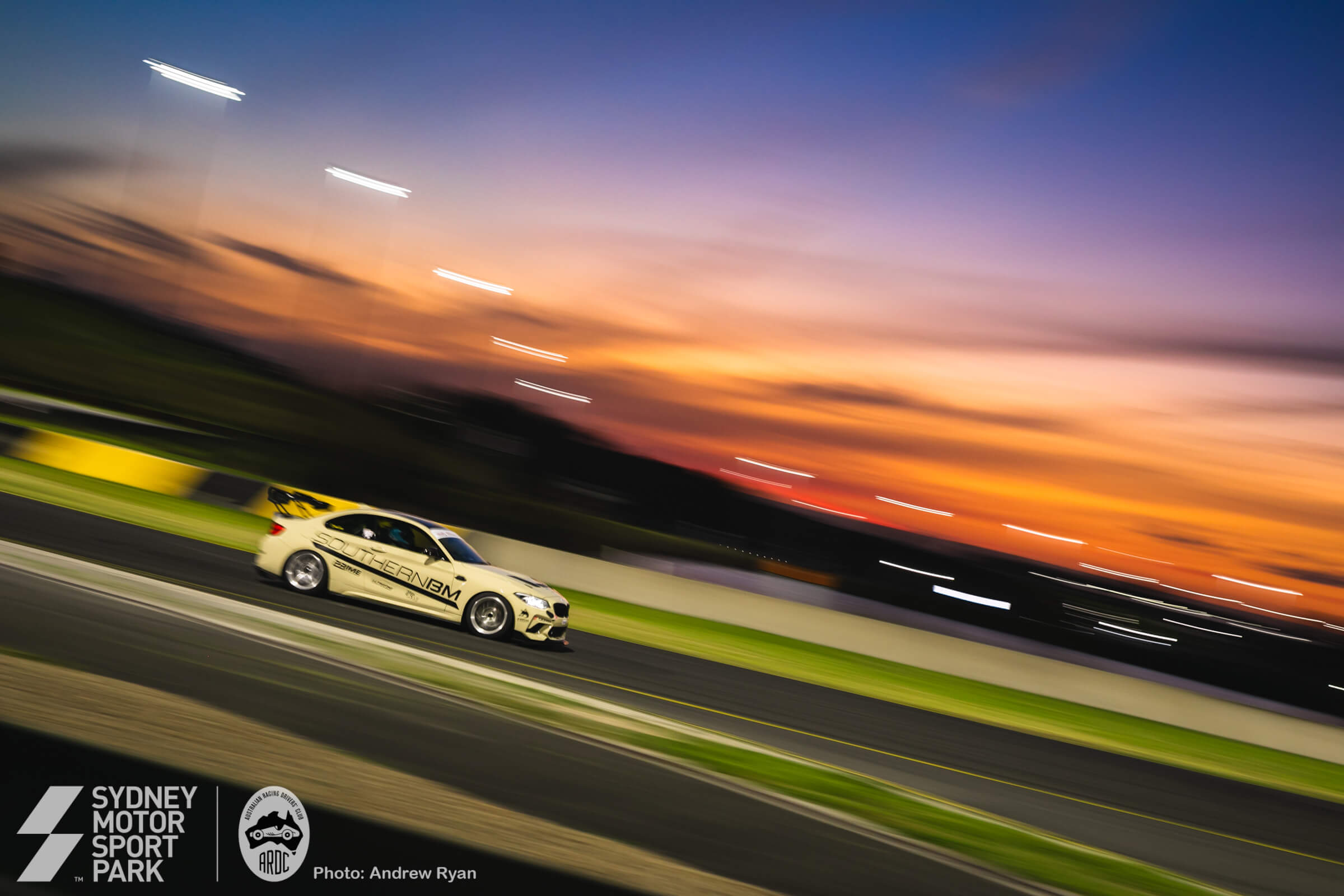
The 2025 Sustainable Circuits Index assessed 117 venues worldwide against the United Nations’ Sustainable Development Goals. Sydney Motorsport Park held its national number one for the fifth consecutive year — and remains the only permanent Australian track to hold a trophy rank in the index at all.
Continue readingThis isn’t a sprint to the finish: sustainability is an endurance race. We have more to accomplish.
Glenn MatthewsChief Executive Officer, ARDC

Three minutes inside the operation — the sorting floor, the solar, the people who do the work. Filmed at Sydney Motorsport Park.
Environmental
01 Sep 2025 · 4 min read
The Q2 waste audit landed at 79.3% diversion — 254.95 m³ kept out of landfill, and over 270 hours of hand sorting to get there.
Continue reading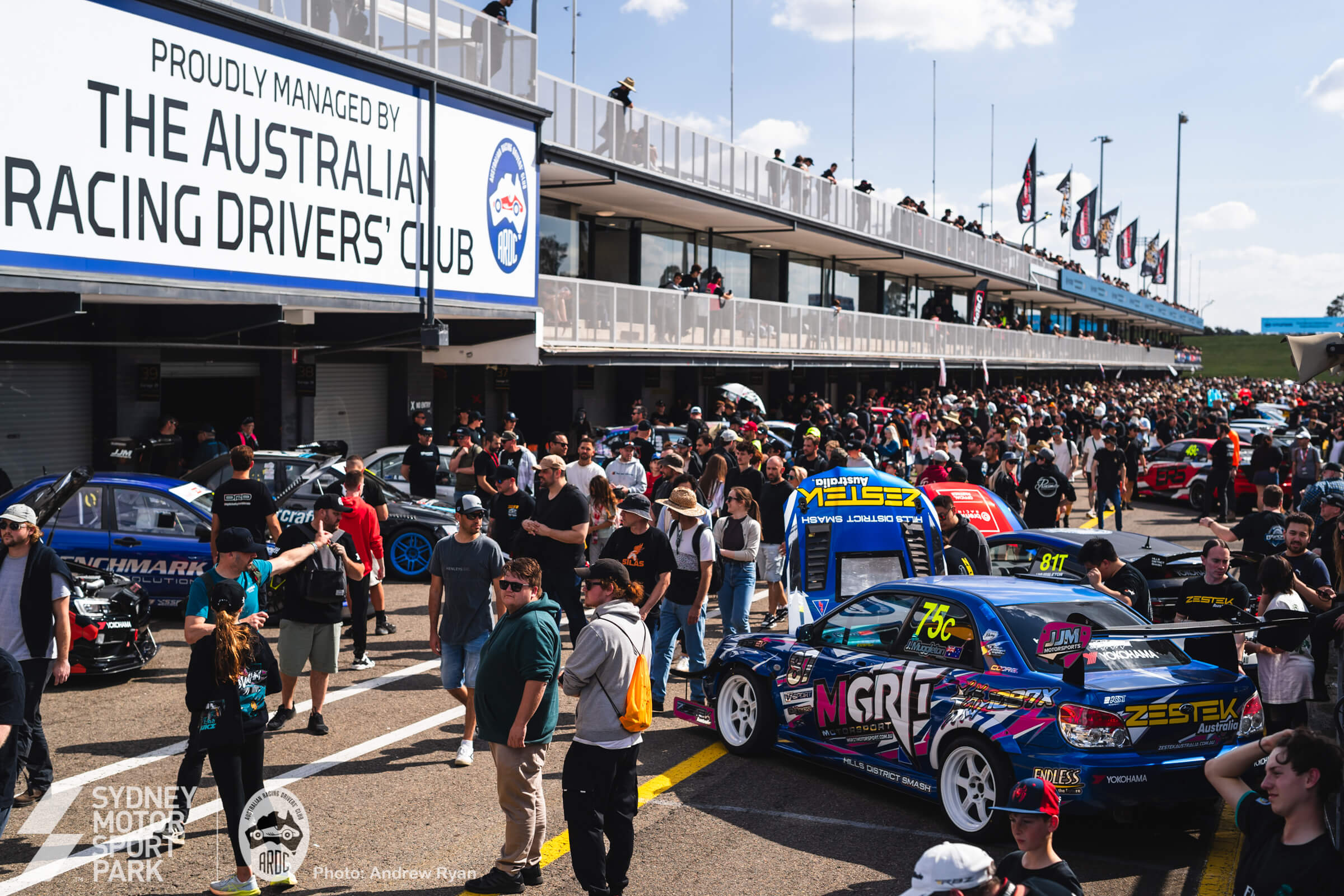 Social
14 Aug 2025 · 3 min read
Social
14 Aug 2025 · 3 min read
Since 2022 every ticket bought for an event here has contributed twice — generating over $43,000 in donations through a not‑for‑profit ticketing partner.
Continue reading
Social
17 Nov 2025 · 4 min read
NIGHTDRIVE, Formula SAE, the World Solar Challenge, school cross country and the Spring Fair — what the Club gives back to Western Sydney, in donated track time.
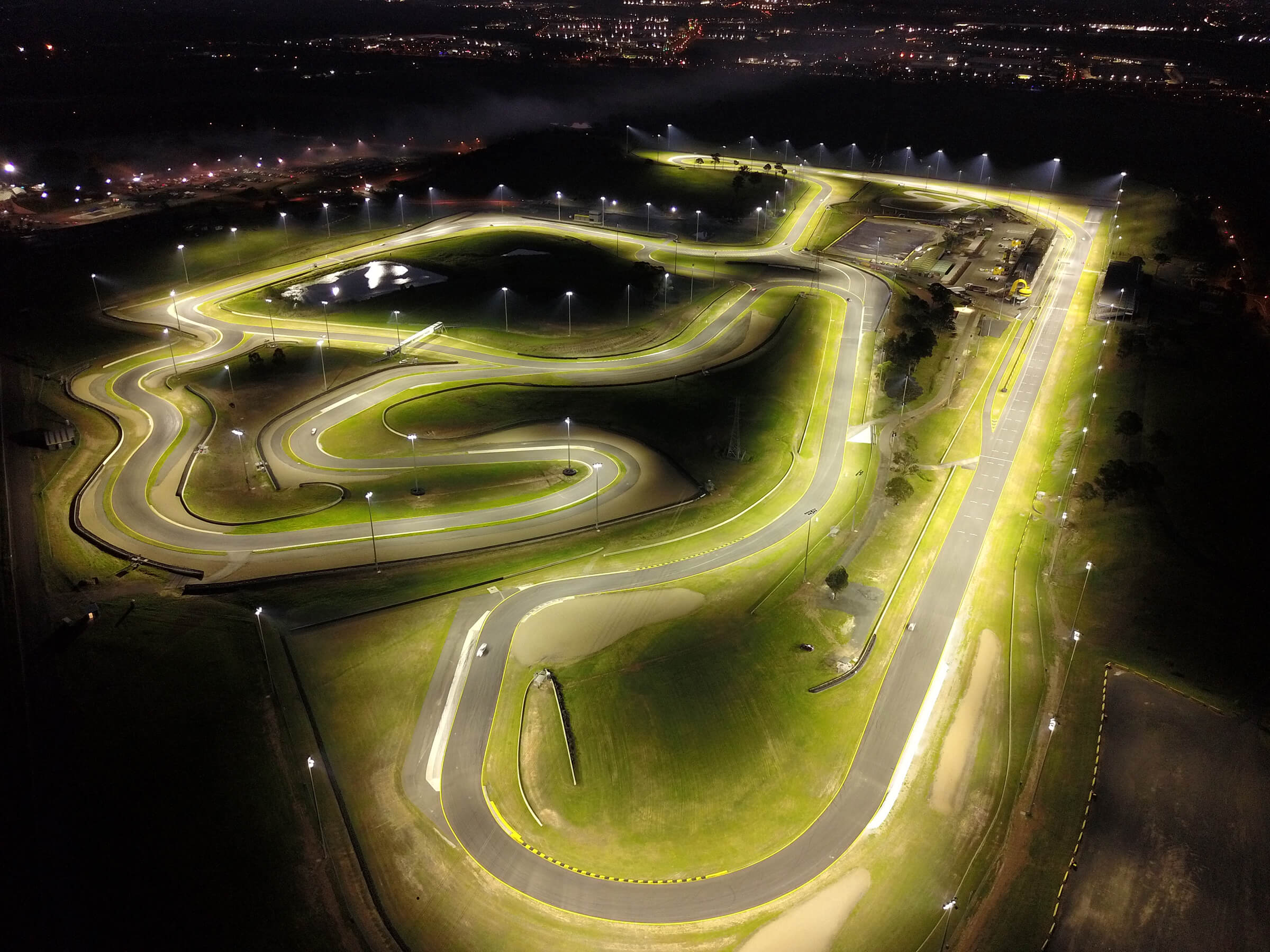
Continue readingSolar on the Druitt North roofs. The resource recovery compound. EV rapid charging on the approach. Trees along the fence line. All of it sits on one site in Eastern Creek — mapped here against the circuit you already know.
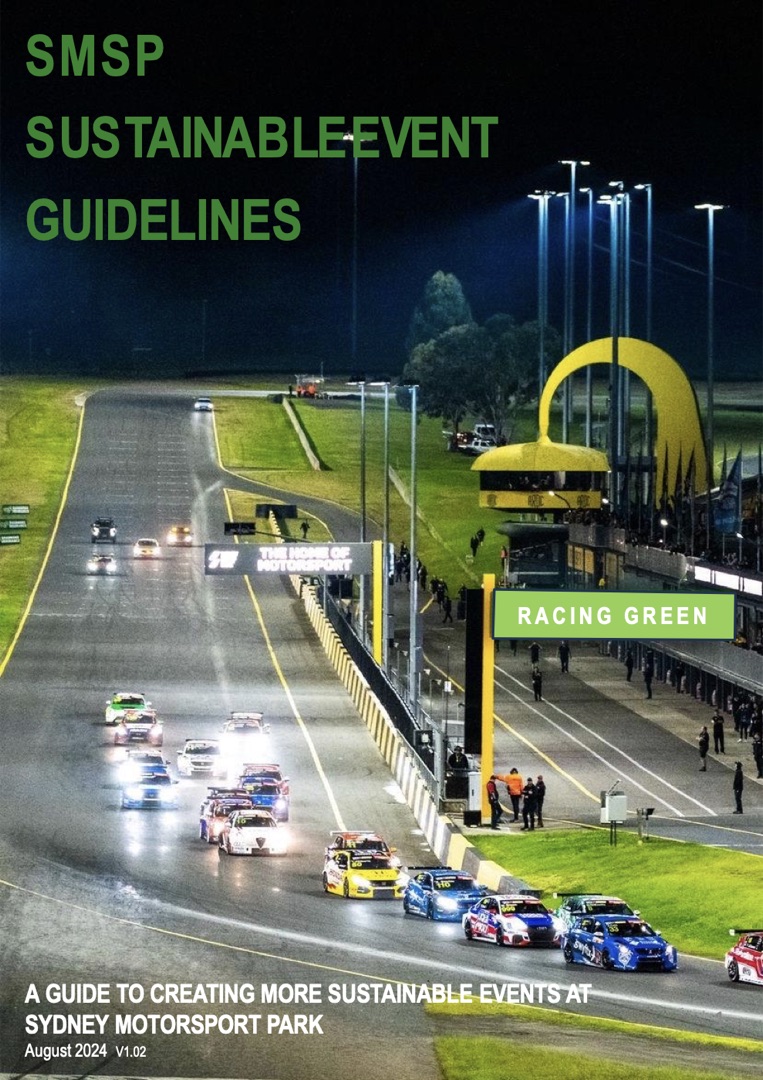
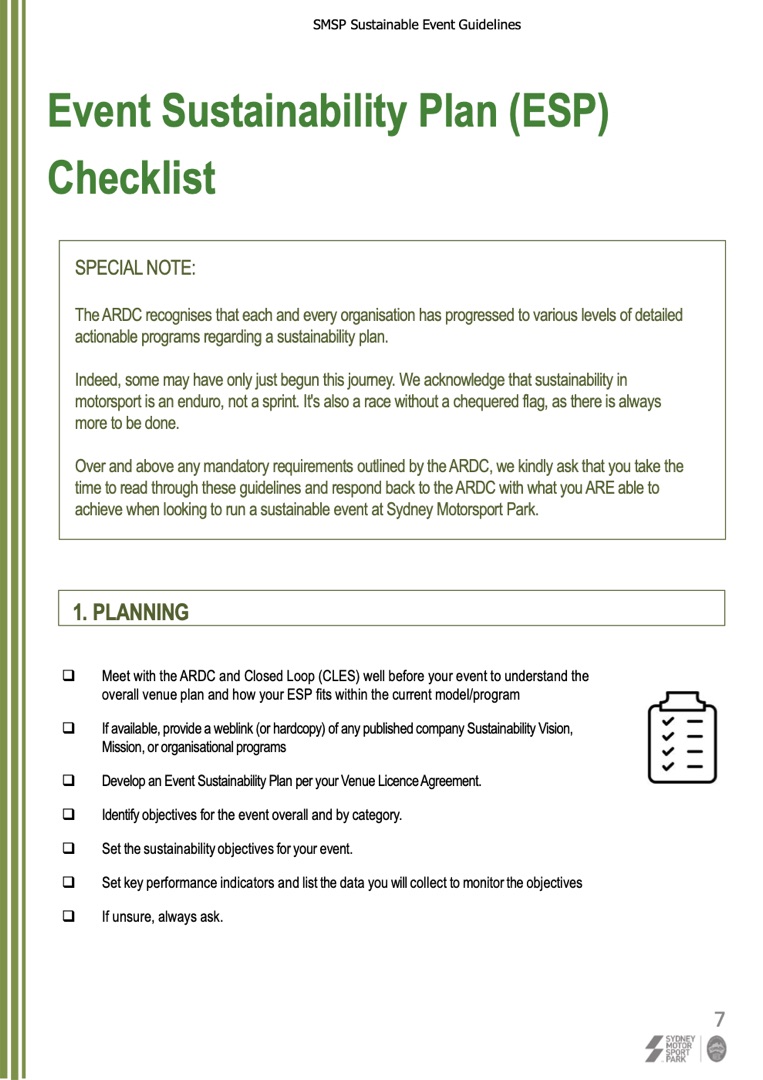
These guidelines help event organisers build an Event Sustainability Plan. They inform, list best practice, and give you a working checklist covering everything from planning and communications to tyres, oil, e‑waste and packaging — plus energy, water, merchandise, transport and local environmental impact.
Hiring the venue and want a hand building your plan? Our team will walk you through it — reception@ardc.com.au.
Sustainability questions about an event, a hire or the audits go to the Club directly.
reception@ardc.com.auIt is a fair question and we would rather answer it than dodge it. The difference is that our claims are assessed by people who do not work for us. The Fédération Internationale de l’Automobile awarded Sydney Motorsport Park a two‑star Environmental Accreditation in 2024 — the first and only one in Australia. The Sustainable Circuits Index has ranked us number one nationally every year since 2021, assessing 117 circuits worldwide in 2025 against the United Nations’ Sustainable Development Goals. Our waste is audited quarterly and the results are published, including the year the diversion rate fell. A venue that was greenwashing would not publish that.
Because we have not set one, and we are not going to advertise a date we cannot yet show the work behind. The Club’s published position is that sustainability here is “an enduro, not a sprint… a race with no chequered flag.” What we do publish is what we have actually measured: diversion rates, sorting hours, container counts, composted tonnage, trees planted. When a carbon baseline is measured and independently verified, it will appear here with its method attached — and not before.
Waste figures come from quarterly and annual audits conducted by Closed Loop Environmental Services, our contracted sustainability services partner — so they are the operator’s own audits, not a third‑party assurance engagement, and we label them that way. The accreditation and ranking are different: those are independent assessments by the FIA and by the Sustainable Circuits Index, neither of whom we pay to rate us. Every figure on this page carries the period it covers and the source it came from.
The FIA Environmental Accreditation Programme runs across three levels, from foundational environmental management up to demonstrated best practice and continual improvement at three stars. Sydney Motorsport Park advanced directly to two stars in 2024, skipping the first tier, on the strength of the waste, energy and stakeholder‑engagement work already in place. The third star is the Club’s stated ambition. We will report on it when there is something verified to report.
Yes, and it is the single biggest reason the diversion rate is what it is. Bins are emptied onto a dedicated on‑site recovery floor and separated by people into nine streams: general waste, co‑mingled recycling, paper and cardboard, Simply Cups, Container Deposit Scheme containers, organics, expanded polystyrene foam, scrap metal and oil. In the second quarter of 2025 that took 270.74 hours of dedicated sorting. When sorting hours go up, the diversion rate goes up with them — and when staffing has been short, the rate has fallen.
It goes into the Simply Cups stream, gets sorted out by hand, and leaves the site to be processed into PAK‑PAVE™ — a road surfacing and lightweight concrete product. The roads to and from our own Australian Motorsport Innovation Precinct are made from it. It is the most literal closed loop on the property: the cup you drink from at an event can end up as the road you drive in on. In Q2 2025, 35,000 cups went that way.
Not here, and this one surprises people. Compostable packaging is not currently accepted by any NSW commercial composter, which means it goes to landfill regardless of what the label says. Rather than keep buying it for the optics, we have worked with Closed Loop and our food outlets to reduce compostable packaging and move to genuinely recyclable alternatives. Food waste itself is a different story — that is collected separately and composted, 5.5 tonnes of it in one quarter.
Build an Event Sustainability Plan. Our guidelines walk you through it: planning, communications, how to handle each waste type you will generate — tyres, oil, e‑waste, packaging, glass, metal, carbon fibre — plus energy, water, merchandise, transport and local environmental impact, and how to evaluate the outcome afterwards. Sustainability clauses now form part of the venue hire agreement, so it is a conversation we will have with you early rather than a surprise on bump‑out. The full guide is on this page.
Yes — and increasingly organisers ask for exactly that. We work with major event organisers to track and report event‑specific waste figures. The Supercars night round held here diverted 76% of its waste from landfill in 2024, a ten‑point improvement on the previous year’s event. If your own ESG reporting needs venue‑level data, talk to us before the event rather than after it, so the measurement is set up properly.
Start with the Club office on +61 2 9672 1000 or reception@ardc.com.au and ask for the sustainability team — whether you are an event organiser building a plan, a partner doing brand diligence, a journalist after figures, or a neighbour with a question about the site. The Club’s full sustainability record, including every waste audit and news item, lives at sustainability.smsp.com.au.
Our next targets are modest and public: hold above 75% landfill diversion, bring a Container Deposit Scheme point into the Paddock Grove — then the third star.